As life sciences companies evaluate future fundraising and liquidity options, readiness has become a critical differentiator.
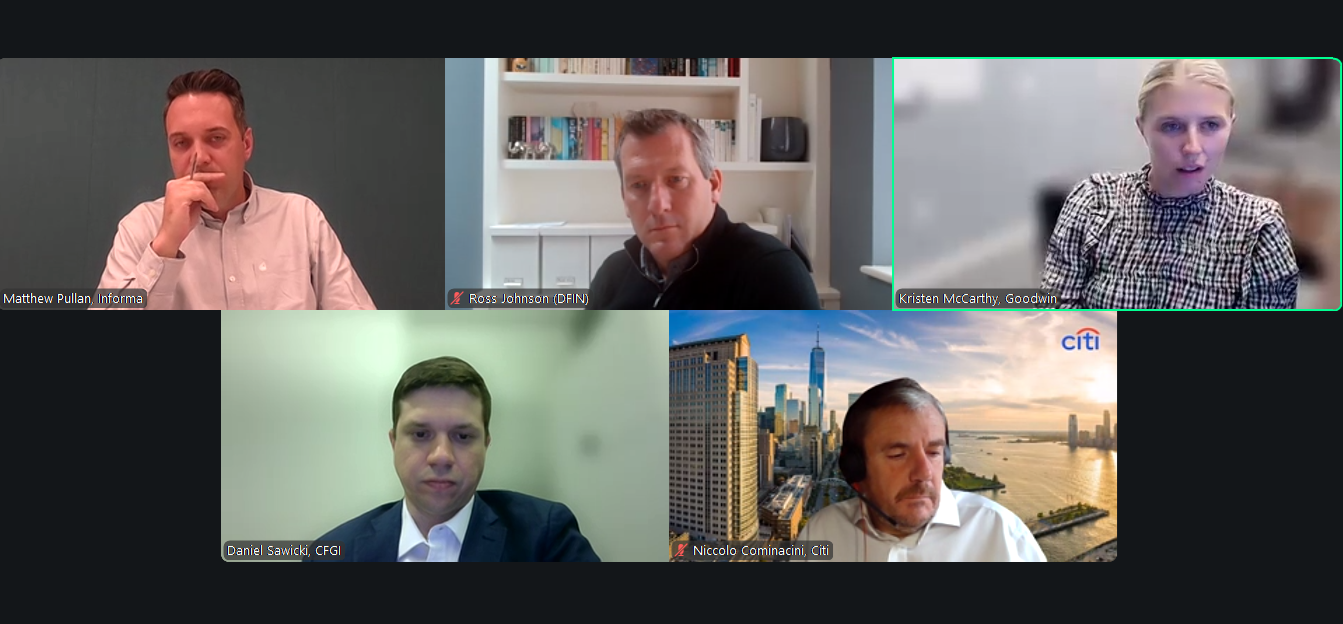
On 13 October 2026, DFIN participated in the US IPO Bootcamp, part of the LSX Investival Showcase series, alongside speakers from CFGI, Goodwin and Citi. The webinar explored how the environment for companies pursuing a US IPO has evolved and what leadership teams should prioritise today to prepare for future opportunities.

A consistent message emerged throughout the discussion: for life sciences companies considering a US listing in 2027, 2028 and beyond, IPO readiness is increasingly more than preparing for a transaction, as investors, advisers and regulators are placing greater emphasis on governance, operational maturity, financial reporting readiness and the ability to operate successfully as a public company from day one.
IPO Readiness Starts Earlier Than Many Companies Expect
One of the strongest themes throughout the webinar was the importance of starting early. Panelists noted that many successful issuers begin preparing 12 to 18 months before an anticipated IPO, using that time to strengthen reporting processes, establish governance structures, recruit key personnel and align stakeholders around a clear roadmap.
Investors are increasingly looking beyond scientific innovation and clinical milestones, placing greater focus on the quality of a company's finance and accounting infrastructure. Building an experienced finance organisation, including leadership with public company and SEC reporting experience, implementing scalable financial systems and ensuring financial statements are filing-ready were all highlighted as important components of IPO readiness. ERP systems and reporting technology were also discussed as important enablers of efficiency throughout the IPO preparation process.
Strong Governance Is No Longer a Late-Stage Consideration
The discussion highlighted how governance expectations continue to evolve for life sciences companies pursuing public markets. Rather than treating governance as a final pre-IPO exercise, many companies are evaluating board composition and public-company structures much earlier in their journey.
Panelists discussed the importance of building boards that combine management, venture investors, independent directors and scientific expertise. The inclusion of recognised scientific advisers and key opinion leaders can provide valuable industry perspectives, while experienced independent directors can help strengthen governance and oversight as companies prepare for life in the public markets.
Particular emphasis was placed on the role of audit committee leadership. An experienced audit committee chair is often one of the most important appointments a company can make, helping oversee financial reporting, interactions with auditors and broader governance expectations. Increasingly, governance is becoming a visible signal of organisational maturity and public-company readiness well before the IPO process formally begins.
Investors Are Focused on Risk Reduction and Execution
Another takeaway was today's investors are increasingly focused on reducing execution risk.
Compared with previous market cycles, companies are expected to demonstrate stronger financial controls, more developed accounting functions and greater operational readiness before entering the market. Investors want confidence that management teams can execute their plans, manage public-company obligations and deliver against milestones following a listing.
The discussion also highlighted the importance of having the right people in place to manage reporting, compliance and disclosure obligations. Accurate financial reporting, experienced finance leadership, robust accounting controls and scalable processes all contribute to investor confidence during the IPO process and beyond.
Building a Credible Equity Story Remains Critical
While compelling science remains a key driver of investor interest, panelists discussed the growing importance of balancing differentiation with credibility.
Regulators continue to scrutinise disclosures closely, particularly where companies use promotional language or make claims that are difficult to substantiate. As a result, companies are spending more time refining their equity story, aligning internal stakeholders and ensuring disclosures accurately reflect both opportunities and risks.
The discussion also highlighted the importance of helping investors understand how IPO proceeds will support future growth, clinical development and long-term strategic objectives. A well-developed narrative, supported by strong governance and financial readiness, can help companies navigate both regulatory review and investor engagement more effectively.
Success Is Increasingly Defined by What Happens After the IPO
Strong aftermarket performance, maintaining investor confidence and delivering against the milestones communicated during the IPO process were highlighted as important indicators of long-term success. Rather than focusing solely on valuation or proceeds raised, companies are increasingly being evaluated on their ability to execute as a public company, deploy capital effectively and continue advancing strategic and clinical objectives.
This evolving definition of success has increased the importance of preparing not only for the IPO itself, but also for the governance, compliance, reporting and disclosure obligations that follow.
Technology Is Becoming a Strategic Enabler of IPO Readiness
The role of technology throughout the IPO lifecycle was another key topic of discussion.
As market windows can open and close quickly, companies need the ability to move efficiently when opportunities arise. Digital workflows, automation and secure AI-enabled solutions are helping organisations reduce manual work, improve collaboration and accelerate execution across fundraising, due diligence, drafting and regulatory filing processes.
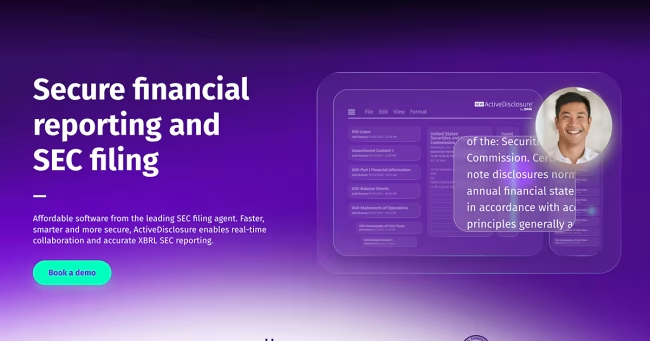
DFIN continues to support companies throughout this journey, from secure Venue® Virtual Data Rooms used during fundraising and IPO due diligence through to ActiveDisclosure, which helps organisations manage IPO registration statement drafting and review, SEC reporting, iXBRL tagging and ongoing public-company reporting within a controlled digital environment. The discussion also highlighted growing adoption of AI-enabled capabilities, including peer-document analysis, document comparison, multilingual document translation and workflow efficiencies that can help companies improve readiness while maintaining governance and control.
Explore How DFIN Supports IPO Readiness
From fundraising and due diligence to SEC reporting and public-company compliance, DFIN helps companies navigate every stage of the journey from private to public. Get in touch to find out more.