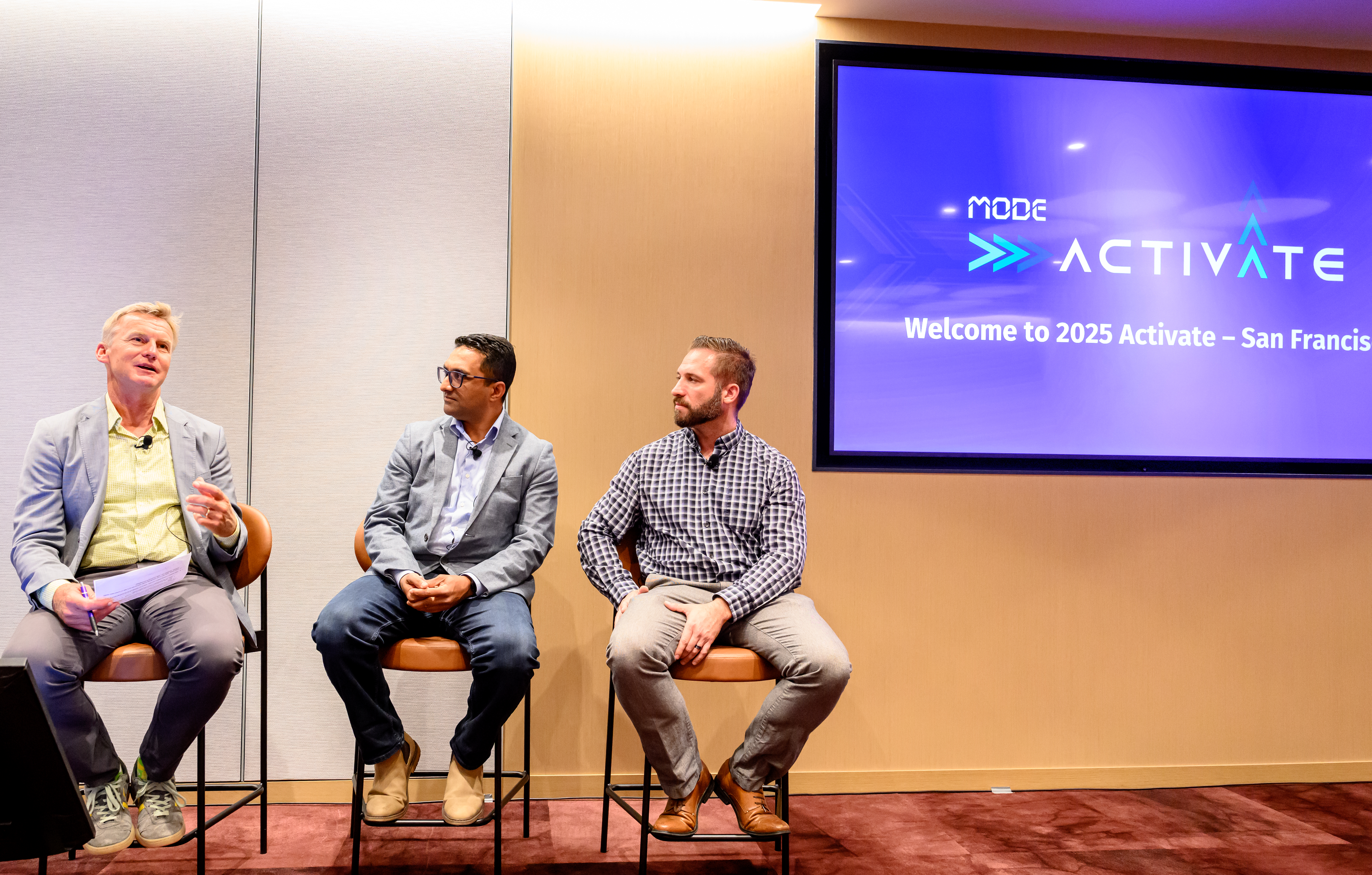
DFIN’s Activate event brought together finance, technology, and compliance leaders to discuss the rapid transformation of business, the impact of artificial intelligence (AI), and the evolving regulatory landscape. The event served as a dynamic forum for exploring how organizations are reimagining their operations in response to accelerating innovation, shifting investor expectations, and new compliance demands.
Through presentations, expert panels, and interactive discussions, participants examined practical strategies for embedding AI responsibly, strengthening governance, and driving operational resilience. Conversations highlighted both the opportunities and challenges that come with digital transformation—from enhancing financial reporting accuracy to ensuring data security and regulatory alignment.
The Pace of Change and Industry Transformation
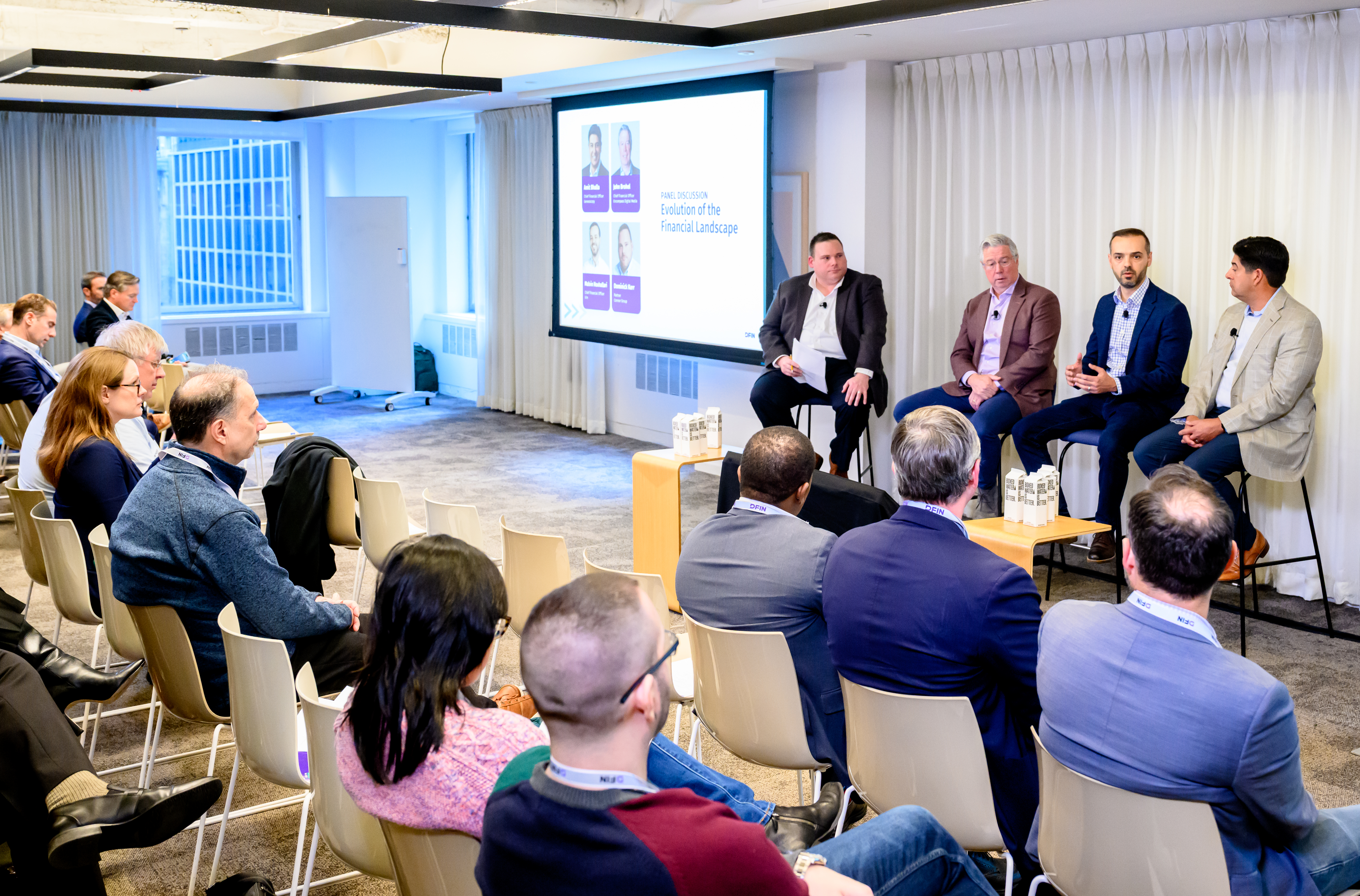
At DFIN’s Activate 2025, panelists agreed that the next five to ten years will bring sweeping changes across every industry, driven by the rapid evolution of technology, regulation, and stakeholder expectations. Artificial intelligence, automation, and advanced analytics are already transforming how organizations operate, enabling smarter decision-making, streamlined processes, and greater transparency from the boardroom to the back office. AI was a central theme throughout the event, with leaders sharing how their companies are moving from experimentation to real-world deployment. Many organizations are building dedicated AI operations teams, described as “SWAT teams,” to help departments quickly adopt and tailor AI solutions to their unique needs. Panelists highlighted how AI is automating repetitive tasks in finance, customer service, and operations, freeing up employees to focus on higher-value, strategic work. This shift is not just technical but cultural: there’s a growing willingness to experiment with AI, and companies are encouraging staff to develop new skills in prompt writing and editing. The consensus was clear - embracing these changes is essential for staying competitive and resilient in a rapidly shifting landscape. As one speaker noted, “The industry is going to look very different in five or ten years than what it looks like today.”
Artificial intelligence moved from buzzword to business driver, with panelists sharing real-world stories of AI’s transformative power. Companies are forming agile “AI operations teams" to embed automation and analytics across sales, finance, and customer service, accelerating adoption and innovation. AI is streamlining repetitive tasks, freeing employees for higher-value work and enabling faster, data-driven decisions. The cultural shift is clear: organizations are upskilling teams in prompt engineering and encouraging experimentation, with leaders noting a newfound willingness to “lean in and learn.” Importantly, panelists emphasized that AI is not about cutting headcount but about elevating human work and scaling impact. While most organizations are still early in their AI journey, the consensus is that tangible benefits are already emerging—and the pace of adoption is only accelerating. The message was clear: AI is no longer hype, but a practical lever for growth, efficiency, and creativity.
The Human Element: Skills, Culture, and Governance
Panelists emphasized that successful digital transformation hinges not just on technology, but on people and culture. As AI adoption accelerates, organizations are seeking new hires who bring curiosity, adaptability, and a willingness to experiment with emerging tools. Leaders shared that recent graduates and early-career professionals are often the ones introducing fresh ideas about leveraging AI, prompting teams to rethink traditional workflows. Importantly, most companies are using AI to boost efficiency and empower employees, not to reduce headcount—but to free up staff for more strategic, impactful work rather than replace them. This approach is fostering a culture where upskilling, prompt engineering, and continuous learning are highly valued. Governance was another recurring theme: boards and C-suites are taking a more active role in shaping AI strategy, with a strong focus on responsible adoption, transparency, and compliance. Panelists described how executive teams are now directly involved in setting policies and ensuring that AI initiatives align with organizational values and regulatory requirements. The consensus was clear: building a resilient, innovative organization requires investing in people, fostering a culture of learning, and maintaining robust governance as AI becomes central to business strategy.

Regulatory Readiness and Risk Management
A highlight of DFIN’s Activate 2025 was a deep-dive session on the evolving regulatory landscape for AI, where legal and compliance experts unpacked the challenges of navigating a global patchwork of rules. Panelists discussed how the EU AI Act, emerging state-level laws, and shifting federal guidelines are forcing organizations to rethink risk management, transparency, and compliance strategies. They emphasized that companies must rigorously vet AI vendors, manage “shadow IT,” and ensure sensitive data isn’t inadvertently exposed—especially as AI features are rapidly integrated into everyday tools. Real-world examples illustrate how well-intentioned AI deployments can create legal exposure if privacy, consent, or data governance are overlooked. The panel stressed the importance of adopting a risk-based approach: layering AI oversight onto existing compliance frameworks, maintaining robust documentation and providing ongoing employee training. Boards and executives are increasingly involved in implementing these policies, recognizing that regulatory scrutiny and enforcement are intensifying. The consensus was that proactive governance and cross-functional collaboration are essential to stay ahead of both innovation and compliance demands. As Alex Nyugen noted, “True transformation isn’t about starting from scratch—it’s about building on your existing strengths: empowering your people, evolving your processes, and continuously refreshing your policies to keep pace with change.”
Looking Ahead: Opportunities and Challenges
Panelists at DFIN’s Activate 2025 agreed that CFOs and finance teams will face major challenges in the next two years, including navigating the rapid evolution of AI, managing unpredictable costs, and responding to ongoing supply chain disruptions. Staying closely connected to business operations will be essential for driving value and making informed strategic decisions. The consensus was clear: organizations must embrace change, prioritize continuous learning, and foster a culture of responsible innovation to remain resilient. The call to action for leaders is to proactively adapt and empower their teams for the future.