Virtual data rooms (VDRs) have seen a significant rise in usage for managing financial statements, contracts, and other critical financial and legal documents, all while ensuring that sensitive information remains protected from unauthorized access. These platforms effectively address security and privacy requirements, providing numerous advantages for users.
Selecting the right VDR can not only streamline your transactions and protect sensitive information during due diligence but also accelerate collaboration across teams and businesses. While many VDRs may offer similar features, there are other important considerations to keep in mind beyond a feature level comparison. But with so many options in the market, where do you start?
1. Define Your Needs
Clarify the purpose of your VDR—whether for M&A, fundraising, or compliance—while estimating the number of users, the volume and type of documents, the expected duration, and the technical skill levels to ensure proper setup and adoption. This ensures that you will have a well-structured data room platform that provides all the necessary accommodations you will need to ensure the deal goes through as smoothly as possible.
2. Analyze Security Features
Security features should be top of mind when it comes to VDRs. Robust security features, including virus and malware scanning, multifactor authentication and advanced encryption provide peace of mind that uploaded data will stay safe. Access control is another critical feature of good data rooms. Ensuring only authorized individuals will be able to access only the data they need is essential for preventing data breaches that can lead to serious consequences for your organization.
Check whether the VDR partner meets third-party standards, such as those from SOC, HIPAA, GDPR, and/or ISO 27001. These provide independent certification that a partner has taken action in line with industry-leading standards and offer valuable peace of mind.
3. Focus on Usability and Accessibility
Opt for an intuitive, modern interface that supports mobile access via apps, single sign-on, multiple languages, and delivers fast, reliable performance to facilitate easy use by all team members. The easier the platform is to use, the more effective it will be to streamline the dealmaking process and ensure all parties have the smoothest experience.
4. Evaluate Document Management and Collaboration Tools
Ensure the VDR offers powerful search and indexing capabilities, organized folder structures with customizable branding, robust search capabilities, flexible permission controls by document or folder, tagging or other categorizing features, supports large files, and allows diverse file formats so documents do not need to be converted before uploading. If these tools and features do not function as they should, it can cause friction and confusion that could impact the deal and lead to greater headaches for all involved.
5. Ensure Customer Support and Reliability
Prioritize providers offering responsive support across multiple channels, accessible training materials, and onboarding assistance to maximize user proficiency and minimize disruptions. As with any tech stack, performance and reliability data are key. Ensure the provider is focused on maintain consistent uptime to alleviate interruptions and delays. Keeping the system online is critical for maintaining confidence and security, and you want to be sure that the vendor you choose will be capable and available to address any technical concerns that may arise while you’re using it.
6. Research Vendor Reputation and Reviews
Research the provider’s track record through case studies, testimonials, and industry experience, and take advantage of demos to test the platform before committing. Failing to do so can lead to unwelcome surprises that are almost certain to derail your dealmaking process due to broken promises or inadequate features.
7. Ensure Flexibility and Scalability
Choose a solution that can be tailored to your specific workflows or regulations, supports multiple simultaneous projects, and offers easy and comprehensive data portability to avoid vendor lock-in.
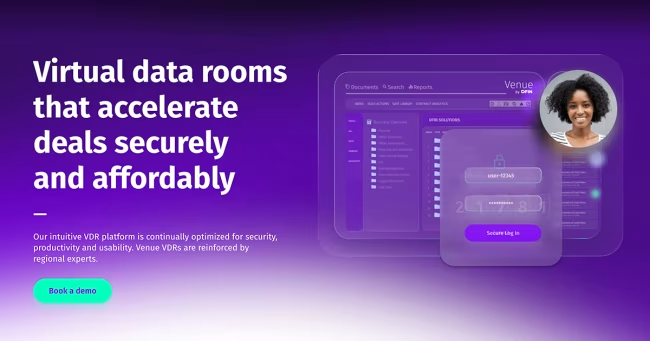
In a crowded VDR market, Venue stands apart by delivering more than just secure document storage—it offers a smarter, faster, and more intuitive dealmaking experience. From its real-time updates and visual confirmations to its industry-first Tree View and seamless onboarding, Venue is built to reduce friction and accelerate outcomes. Backed by 24/7 expert support, robust security, and a modern SaaS architecture, Venue empowers teams to spend less time navigating complexities and more time closing deals. Whether you're preparing for a fundraising round, managing the M&A due diligence process, or safeguarding sensitive data, Venue is the virtual data room that delivers clarity, confidence, and control—every step of the way.
Whether you’re ready to get started now, or just browsing, we’ve assembled these key steps into a ready-to-use checklist to help guide your decision. Ready to get started?